
DIY Data Recovery: When to Try and When to Call the Experts


Understanding DIY Data Recovery
Data loss can happen to anyone, and it often strikes at the most inconvenient times. Whether it's due to accidental deletion, hardware failure, or a malicious attack, losing important files can be distressing. Fortunately, there are ways to recover your data, and sometimes you can do it yourself. However, it's crucial to know when DIY data recovery is appropriate and when it's best to call in the experts.
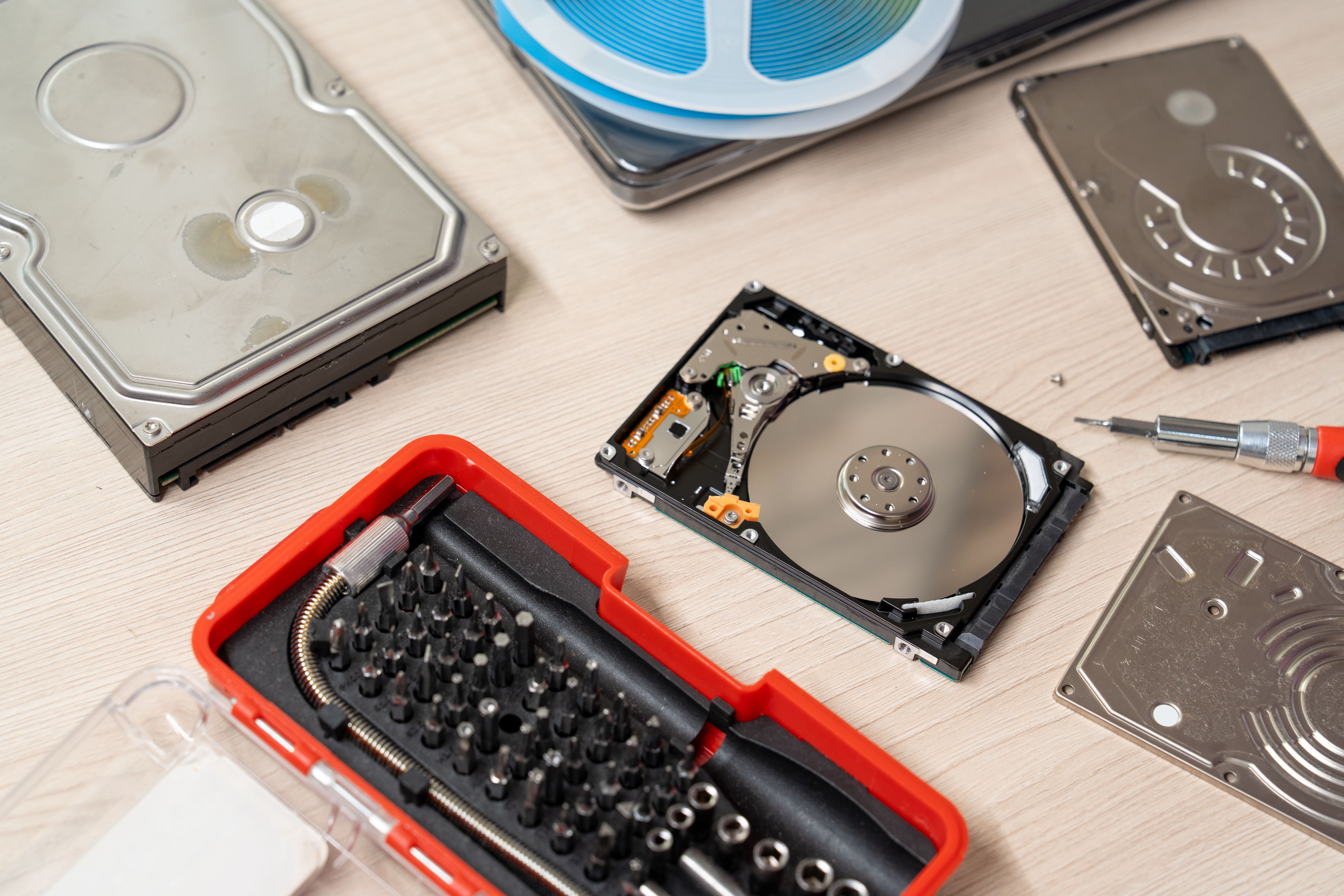
When to Try DIY Data Recovery
DIY data recovery is usually suitable for minor data loss situations. If you've accidentally deleted files or formatted a drive by mistake, you might be able to recover your data using readily available software solutions. Here are some scenarios where DIY recovery might work:
- Accidental Deletion: If you've accidentally deleted files, they may not be permanently gone and can often be recovered using simple software.
- Non-Physical Damage: If your device is still functioning properly but you've lost data, you can try recovery tools.
- Budget Constraints: For minor data loss, DIY recovery can be a cost-effective solution.
Tools for DIY Recovery
There are various tools available for DIY data recovery. Free and paid software options exist, each with different capabilities. Popular choices include:
- Recuva: A user-friendly tool that helps recover files from hard drives, memory cards, and other storage devices.
- TestDisk: Ideal for recovering lost partitions and making non-booting disks bootable again.
- PhotoRec: Specializes in recovering lost files from digital camera memory.

When to Call the Experts
While DIY methods can be effective, there are situations where professional help is essential. Attempting to recover data in these cases can lead to further damage or permanent data loss. Consider calling an expert if:
- Physical Damage: If your device has suffered physical damage, such as a hard drive crash, professional intervention is necessary.
- Repeated Failures: If multiple DIY attempts have failed, it’s time to consult a professional.
- Critical or Sensitive Data: When dealing with crucial or sensitive information, it's safer to rely on experts.
Benefits of Professional Data Recovery
Professional data recovery services offer several advantages. They have specialized tools and cleanroom environments that ensure the highest chance of successful recovery. Experts are skilled in handling complex cases and can often recover data that seems lost for good. Additionally, they maintain confidentiality and security throughout the recovery process, providing peace of mind.

Tips for Preventing Data Loss
Prevention is always better than recovery. To minimize the risk of data loss, consider implementing these practices:
- Regular Backups: Ensure regular backups of important data on external drives or cloud storage.
- Reliable Antivirus Software: Protect your system from malware that can corrupt or delete files.
- Avoid Physical Damage: Handle devices carefully to prevent physical damage that can lead to data loss.
In conclusion, while DIY data recovery can be effective for minor issues, knowing when to seek professional help is crucial. By understanding and applying these guidelines, you can maximize your chances of a successful recovery while minimizing risks.